Amazon Web Services (AWS) – Northern Virginia & California
Reclaimed Wastewater Cooling
AWS pioneered one of the most scalable water-conservation models in U.S. data center operations. In Virginia, the company became the first data center operator in the state approved to use recycled water with direct evaporative cooling systems — a significant milestone given that Northern Virginia hosts more than 300 data centers processing a large share of global digital traffic. The reclaimed wastewater undergoes a rigorous three-step treatment process that removes 99% of impurities before being used in cooling systems. After the recycled water runs through the cooling system, it returns to the wastewater facility for another round of treatment so it can be reused again.
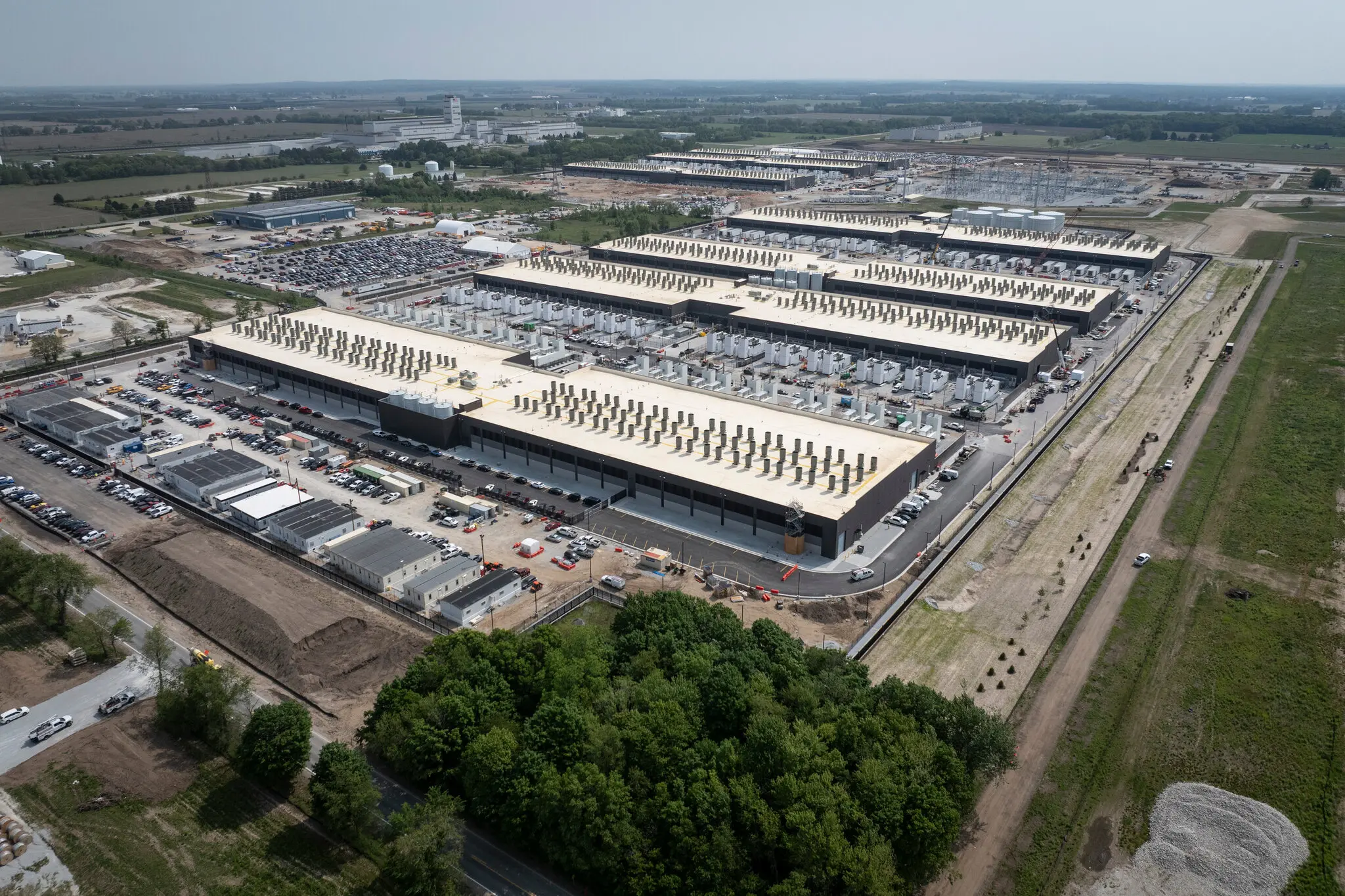
The program has since expanded significantly. AWS currently uses reclaimed water at 24 sites, including locations in California, and has expansion efforts underway in Georgia and Mississippi, with a goal to reach over 120 U.S. locations by 2030. This direct evaporative cooling method using treated wastewater uses up to 85% less water compared to traditional cooling systems. AWS’s broader target is to be “water positive” by 2030 — meaning it replenishes more water to communities than it uses in direct operations — and had reached 53% of that goal by the end of 2024.
Google – Douglas County, Georgia
Treated Wastewater Sidestream Facility
Google’s Douglas County, Georgia campus demonstrates how a data center developer can build dedicated off-site infrastructure to eliminate reliance on potable water. Google financed the development of a “sidestream facility” about five miles from its data center. The system intercepts water from the Douglas County Water and Sewer Authority’s treatment plant that would otherwise be discharged into the Chattahoochee River. That water is then sent to Google’s facility for use in the cooling process, and any water that isn’t evaporated is treated using effluent equipment on-site and then returned to the river. Of the 422 million gallons withdrawn at the site in 2021, just 13.2 million gallons were potable water.
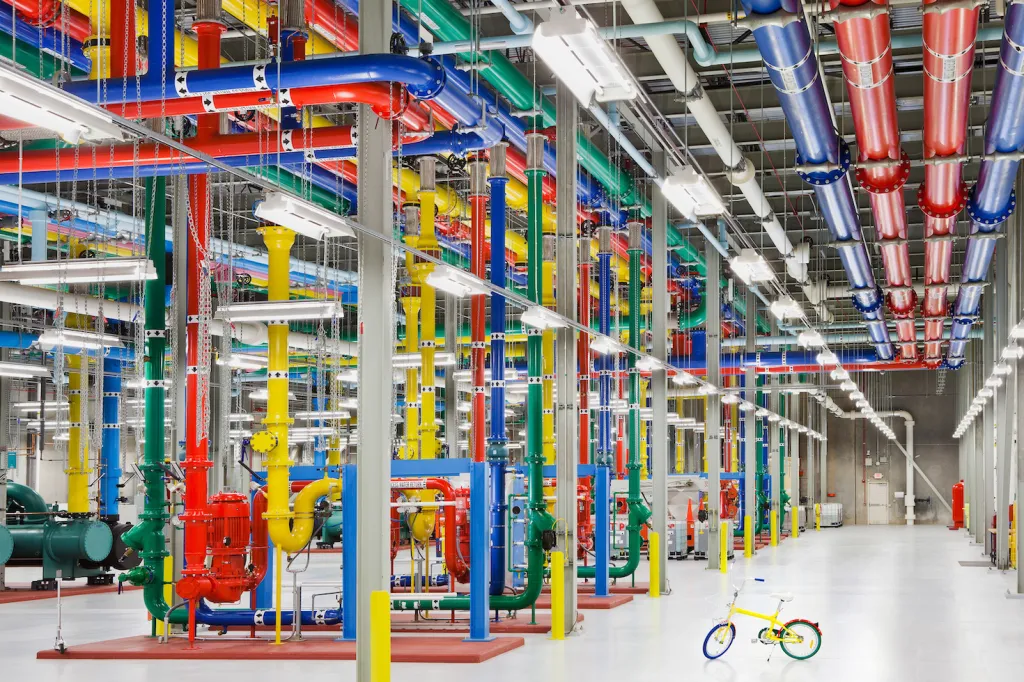
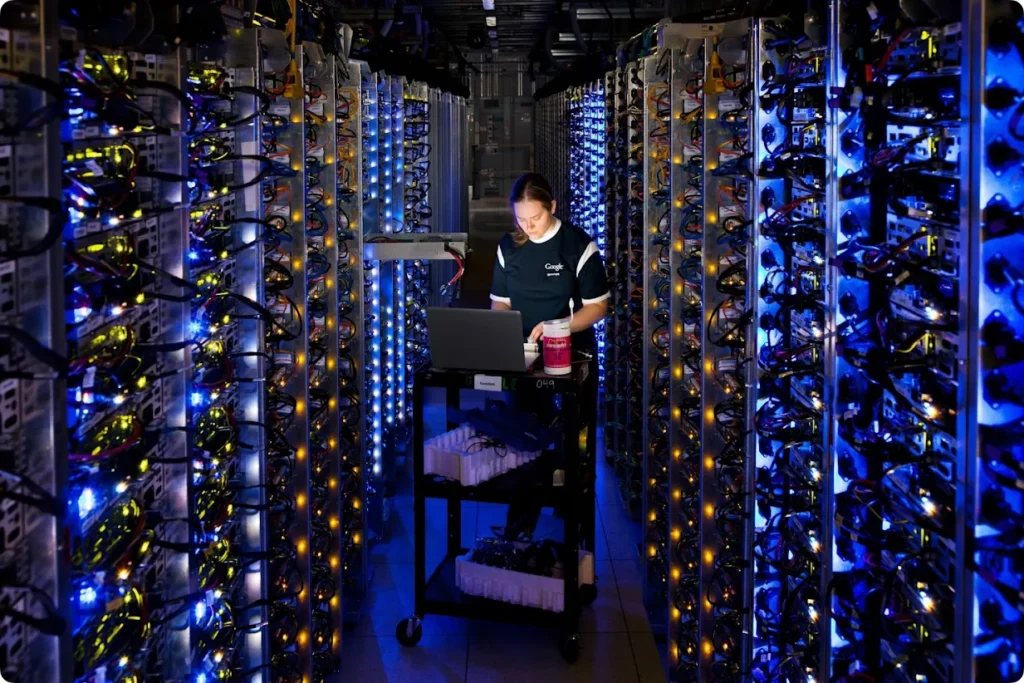
More broadly, Google replenished more than 7 billion gallons of water in 2025, and now has 165 water stewardship projects across 97 watersheds. Once fully implemented, these projects are expected to replenish more than 19 billion gallons of water annually by 2030. Google has also pledged more than $500 million to water, wastewater, and water reuse infrastructure with utility partners in communities where it operates data centers, and committed to using air cooling at sites where local water resources are assessed as high-risk.
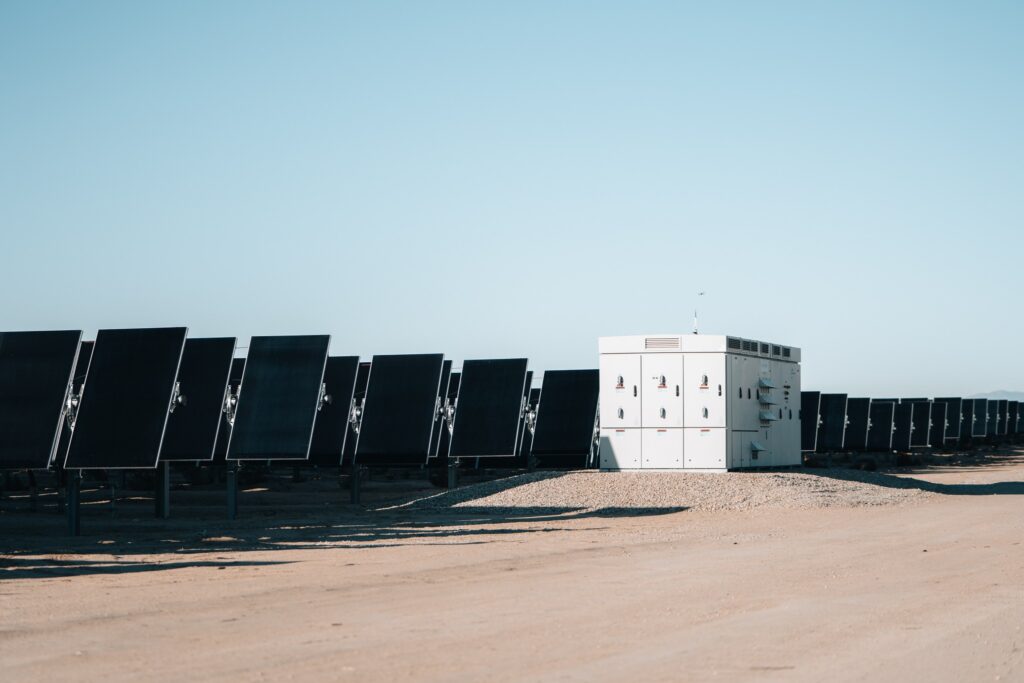
Terra-Gen Valley Center Energy Storage Facility – Valley Center, California
New BESS Facility Reforms
The Valley Center Energy Storage Facility is a stand-alone 139 MW energy storage project located on a 7-acre property within a commercial-industrial zone in northern San Diego County.
In September 2023, a battery storage unit at the facility caught fire. While a precautionary evacuation order was issued for properties within a quarter mile, the outcome stood in sharp contrast to larger, prolonged BESS fires. The Valley Center Fire Department, San Diego County Sheriff’s Department, and other agencies were dispatched, addressed the incident, and left the premises by 9:15 p.m. — and the facility’s design systems kept the incident contained. A San Diego County Hazardous Materials team monitored the air and water around the site during the incident and found no hazardous conditions.
San Diego County officials later cited Valley Center directly as a case study in containment success. Unlike containerized battery projects, the Gateway Energy Storage facility had all batteries inside one rectangular warehouse building, allowing the fire to spread within the building and last about 17 days. By contrast, the Valley Center facility, which included a modular design with enclosures to inhibit thermal runaway propagation, had a fire that lasted around 45 minutes.
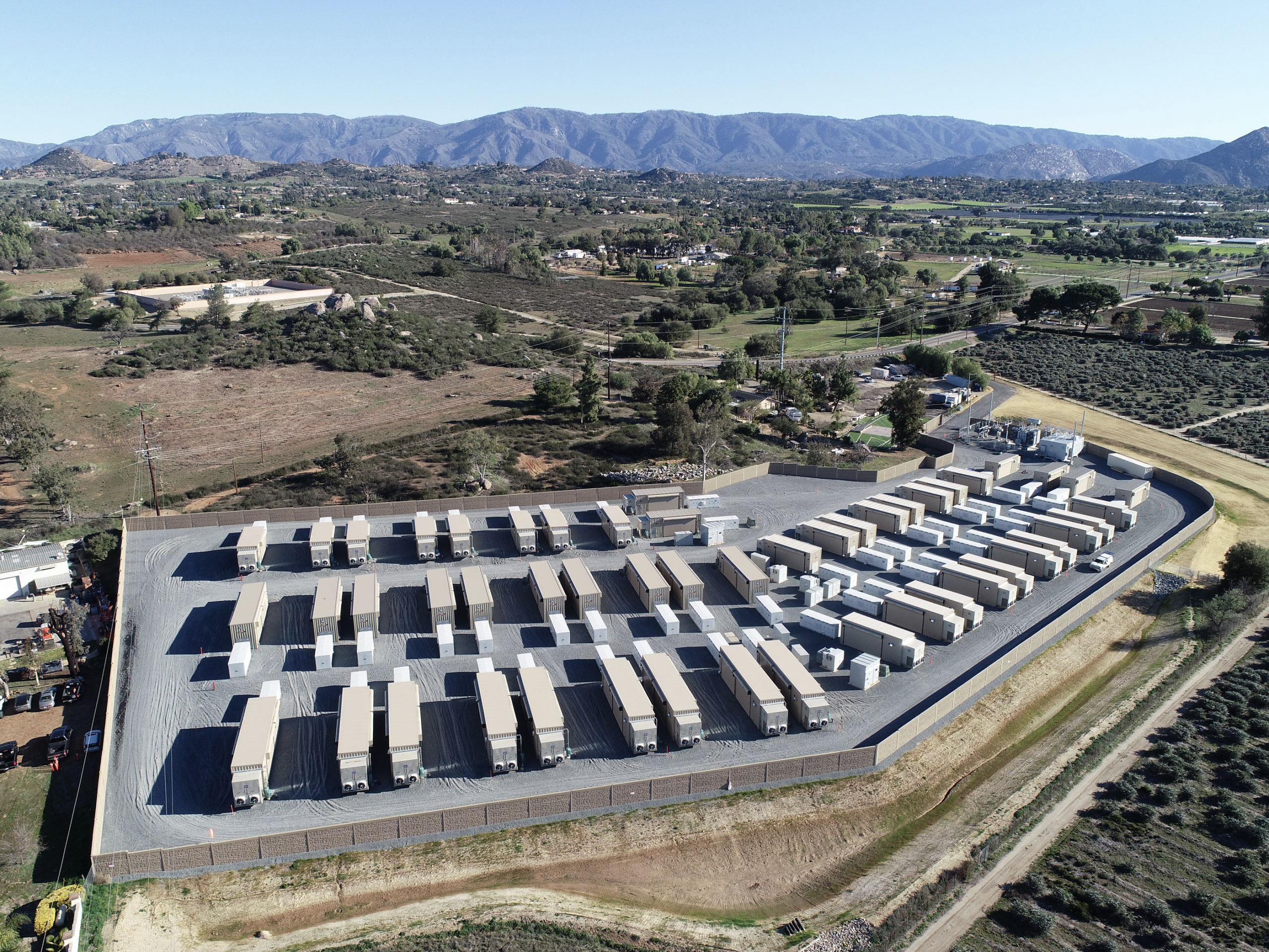
The outcome at Valley Center is widely attributed to its modular, containerized architecture — a design philosophy that has since become the recognized industry standard. Key features include:
- Modular containerized units that physically isolate battery arrays, so that if thermal runaway occurs in one unit, it cannot readily propagate to adjacent modules.
- Liquid cooling systems within each cabinet and additional fire-resistant walls, with fire contained within the cabinet and not spreading to adjacent cabinets.
- Outdoor siting, which improves ventilation and reduces the risk that off-gases accumulate to flammable concentrations indoors.
The Valley Center outcome reflects a broader shift in how new BESS facilities are being designed and regulated. Historical BESS fire incidents involved early-generation systems that predate modern safety standards, and the implementation of robust national codes alongside advancements in energy storage system design have significantly improved fire safety and reduced risks. The industry now standardizes on lithium iron phosphate (LFP) cells installed outdoors, which operate at lower temperatures and reduce both the risk and the potential impact of a fire — a departure from the older nickel manganese cobalt (NMC) chemistries used in earlier facilities like Moss Landing.
Compliance with NFPA 855 (the National Fire Protection Association’s standard for stationary energy storage systems) and UL 9540A large-scale fire testing certification are now widely regarded as baseline requirements for new builds, and authorities having jurisdiction (AHJs) in states like California are increasingly requiring fire protection engineering documentation as a condition of project approval.